

From Local Impact to Statewide Influence: CASA Leadership in Action
Our Executive Director recently attended the annual Spring Directors Conference, a statewide convening of CASA leadership focused on strengthening advocacy, advancing best practices, and ensuring consistent, high-quality support for children across Indiana. The conference serves as a critical touchpoint between the state office and local programs, reinforcing the state’s role in providing guidance, training, and strategic direction that empowers counties to deliver effective, child-centered advocacy.
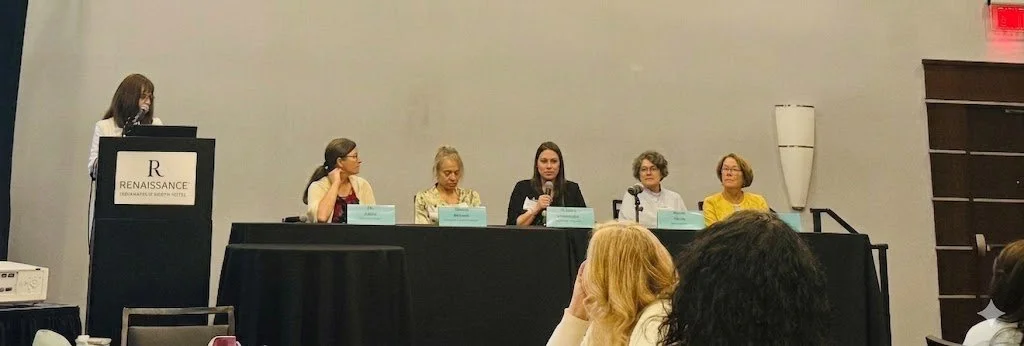
In addition to her leadership at the local level, Executive Director Whitney Pennington continues to serve on the Advisory Commission for Best Practices, Ethics, and Standards. In this role, she contributes to shaping the framework that guides CASA programs statewide, ensuring that advocacy remains both ethically grounded and responsive to the evolving needs of children and families involved in the court system. Her participation reflects a deep commitment not only to her own program, but to the integrity and advancement of CASA services across Indiana.
At this year’s conference, Pennington was invited to present on an innovative pilot program in which CASA of Jefferson County is actively participating. The initiative provides funding to secure legal representation for either children or CASA volunteers in particularly complex cases. This approach is designed to strengthen advocacy in situations where traditional best-interest representation may not be sufficient on its own. As Pennington shared,
“We have hired an attorney to directly represent three CASAs across four cases since 2024. Decisions to pursue this level of representation are made with careful consideration—typically in response to the complexity of a case, significant concerns about a child’s long-term outcomes, or when advocacy efforts have reached a point where direct legal representation is the most appropriate and effective next step.”
Her leadership in this area demonstrates a forward-thinking approach to advocacy, prioritizing outcomes and ensuring that every available resource is leveraged in service of the child.
The conference also featured a comprehensive lineup of sessions addressing key issues impacting CASA programs today, including legislative and appellate updates, dual status cases in Indiana, the distinction between attorney representation and best-interest advocacy, new training curriculum developments, services for older youth, and ongoing collaboration with the Department of Child Services (DCS) and the Court Improvement Program (CIP). Through active engagement in these discussions, Pennington continues to bring valuable insight and leadership back to her local program, further strengthening its impact within the community.
“Attending this meeting alongside my colleagues is crucial for maintaining top-notch advocacy and strong program operations. We gain insight from directors who are just stepping into their roles as well as those who have served for 30 years, creating a valuable exchange of perspectives and experience. One of the moments I look forward to most is comparing cases from across the state and understanding the different approaches taken when advocating for children and families. These conversations deepen our knowledge and strengthen our ability to serve effectively.”
Equally important, the conference highlighted the collective strength and dedication of CASA Executive Directors from across the state. Each director brings a unique perspective shaped by the needs of their local communities, yet all share a unified commitment to advocating for children who have experienced abuse or neglect. Through collaboration, knowledge-sharing, and mutual support, these leaders work together to elevate standards, address emerging challenges, and ensure that every child served by CASA has access to consistent, high-quality advocacy. Their collective leadership is instrumental in driving meaningful, statewide impact.
“Each April, I return to the office and review our current cases through the lens of newly passed Senate bills. This helps ensure we are adapting our advocacy to reflect the most current laws and best practices. I also value studying precedent-setting cases, as well as those that have been overturned, to better understand how legal decisions evolve and impact our work. As a director, this level of engagement is imperative. It allows us to make informed adjustments and have meaningful conversations that can ultimately prevent children from languishing in care.”